- April 28, 2025
- 5:01 pm

The idea of self-driving cars has long captured the public imagination. Scenes of futuristic vehicles gliding through cities without human drivers were once confined to science fiction. Today, however, autonomous technology has moved from the big screen to the streets, sparking excitement and debate. But how close are we, really, to a future where cars drive themselves?
Understanding Where We Are Today
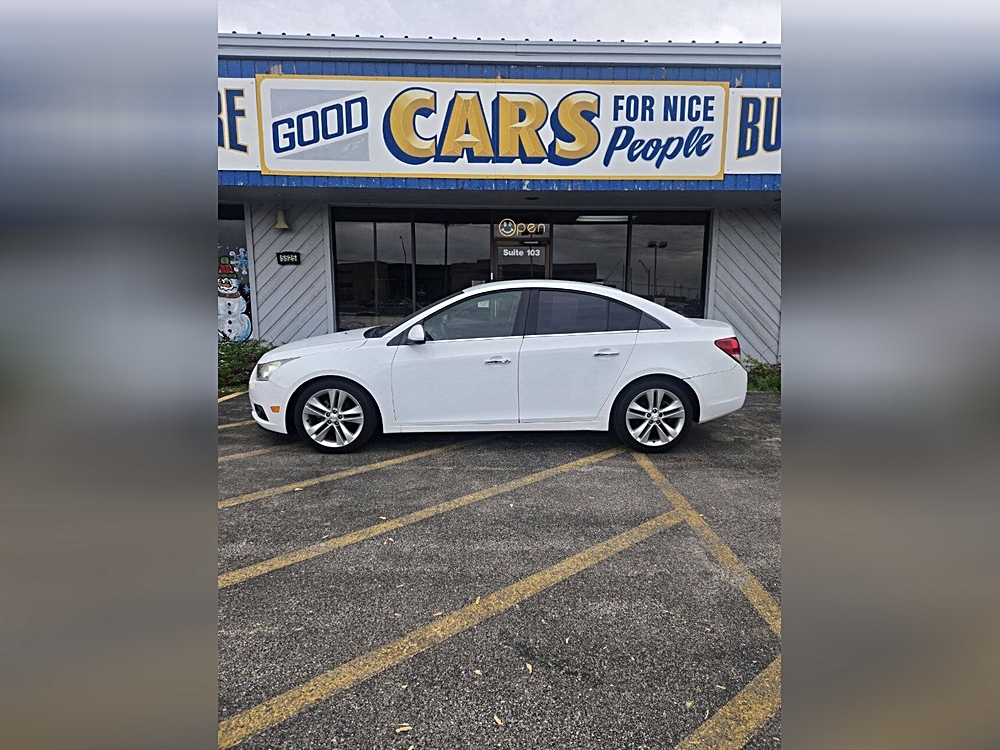
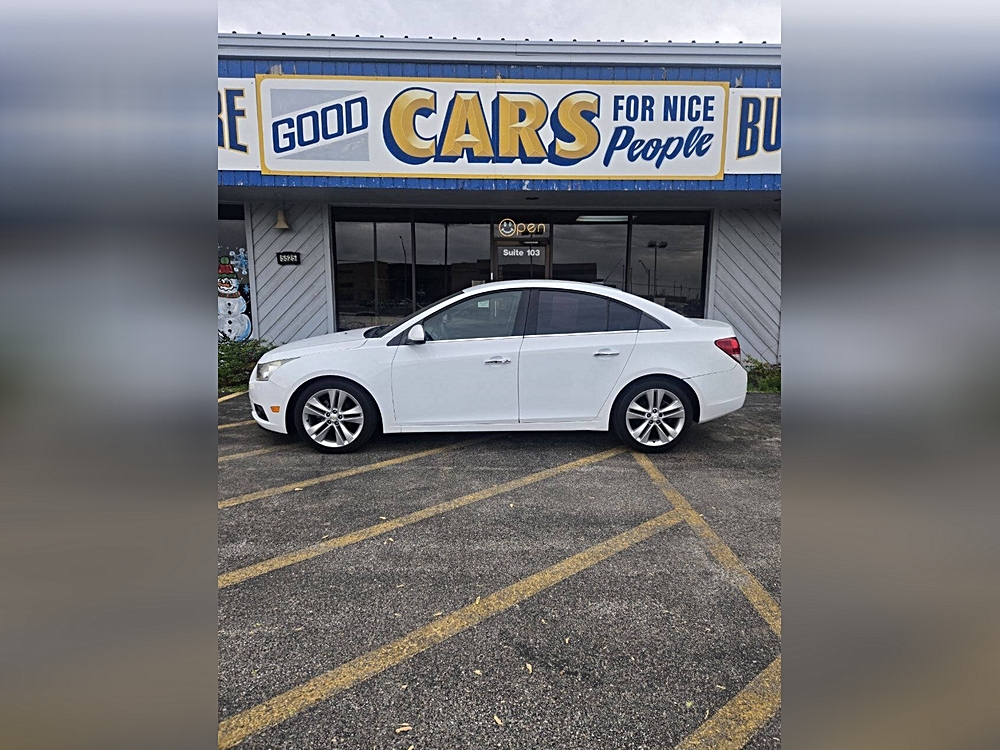
While major advancements have been made, fully autonomous cars are not yet ready for everyday use. Most vehicles available today, including the practical sedans, SUVs, and trucks you’ll find at Good Cars for Nice People, feature semi-autonomous technologies. Features like adaptive cruise control, lane-keeping assistance, and automatic emergency braking are already improving safety and convenience. These systems assist drivers rather than replace them, offering a glimpse of what future driving could look like.
The Society of Automotive Engineers (SAE) defines six levels of vehicle autonomy, from Level 0 (no automation) to Level 5 (full automation without human intervention). Currently, most consumer vehicles operate at Level 2, where the car can manage steering and speed in specific situations but still requires full driver attention.
Challenges That Still Stand in the Way
One of the biggest hurdles to fully autonomous cars is the complexity of real-world driving. Weather conditions, unpredictable pedestrians, construction zones, and varied traffic laws create scenarios that are difficult for artificial intelligence to navigate flawlessly. Even with advanced sensors and cameras, self-driving cars must process an immense amount of information and make split-second decisions with the precision of an experienced human driver.
Infrastructure also plays a role. Many roads were not designed with autonomous vehicles in mind. Until updates like smart traffic signals and standardized road markings become more common, self-driving technology will face additional challenges.
The Role of Modern Vehicles in Bridging the Gap
Although completely driverless cars are still a work in progress, today’s vehicles bring us closer with every model year. Modern cars prioritize driver assistance features, ensuring safer journeys even for traditional drivers. Vehicles available at Good Cars for Nice People come equipped with innovative safety technologies that not only protect you but also hint at the possibilities of a fully autonomous future.
By choosing a car with advanced driver assistance systems, buyers are embracing a transition period where human control blends seamlessly with technological support. These features provide extra layers of security, helping prevent accidents and making everyday driving easier and more enjoyable.
What the Future May Look Like
Experts predict that we may see fully autonomous vehicles in specific, controlled environments—such as urban shuttles or dedicated highway lanes—within the next decade. However, widespread adoption across all roadways will likely take longer. Until then, today’s drivers can enjoy the benefits of cutting-edge safety and convenience features that make commuting, road trips, and daily errands more comfortable and secure.
Visit us at Good Cars for Nice People, 5525 L Street, Omaha, NE 68118. You can also reach us at (402) 731-4400 or email us at jasfett@gmail.com to learn more about vehicles equipped with the latest technology, designed to keep you ahead of the curve while providing the reliability you need.